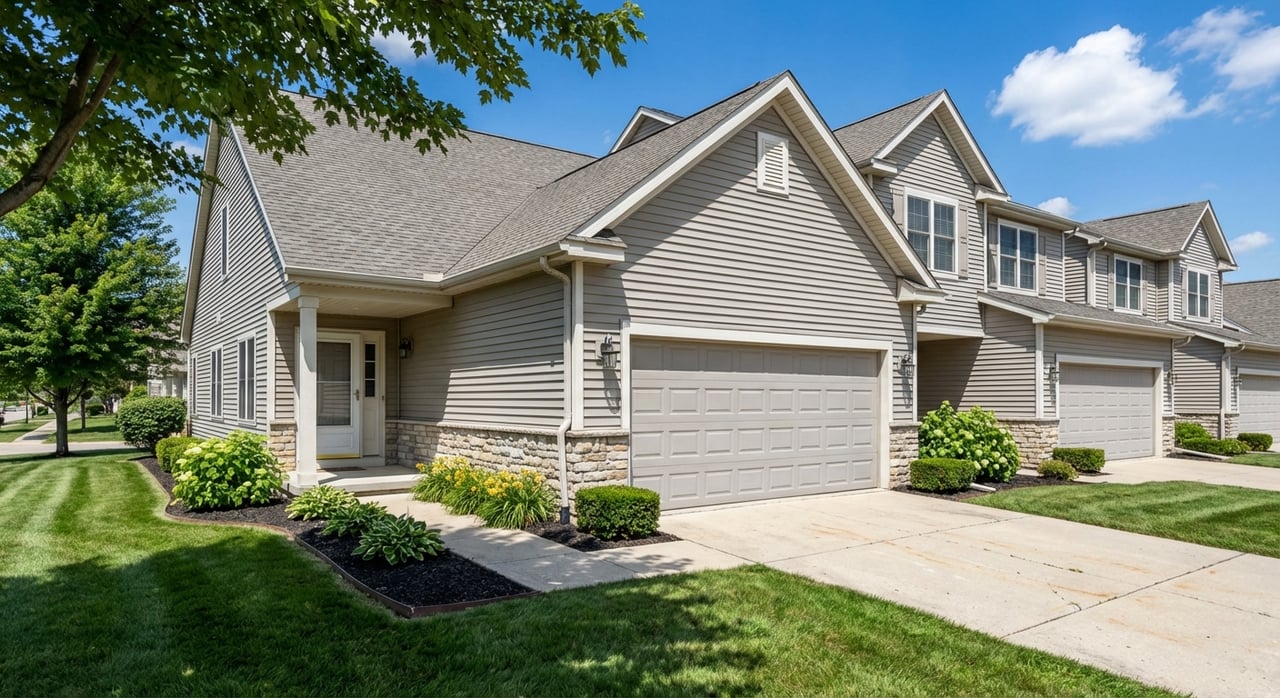
Looking for low-maintenance living in Eagan without stretching your budget? Townhomes and condos can be a smart first step into homeownership, especially if you want less yard work and a convenient location. As a first-time buyer, you also want to avoid surprises about HOA rules, fees, and financing. This guide walks you through where to look in Eagan, what typical prices and dues look like, the Minnesota disclosures you will receive, and a simple checklist to buy with confidence. Let’s dive in.
Why consider Eagan townhomes and condos
You get a convenient location, lower entry price compared with many single-family homes, and fewer exterior chores. Many Eagan clusters sit near shopping, major highways, and transit, which can shorten commutes and simplify daily errands.
The Cedar Grove area stands out for density, retail, and transit access near the Cedar Grove Transit Station and the Twin Cities Premium Outlets. You can explore city planning resources that guide this corridor’s growth on the City of Eagan’s planning page. For nature time, Lebanon Hills Regional Park offers year-round trails and water access, which is a draw if you want easy outdoor options.
- Explore Eagan planning resources: City of Eagan planning and zoning
- See a top local amenity: Lebanon Hills Regional Park visitor center
What you can expect to pay
Recent local portals report townhome medians in Eagan around the mid to high $200ks, while citywide single-family medians often land higher. Actual numbers vary by data source and timing, so you will want a fresh MLS snapshot before you write an offer. Market updates for Eagan also show modest year-over-year shifts, similar to broader Twin Cities trends.
To ground your expectations, here are real-world examples seen in recent Eagan listings:
- A condo near Cedar Grove sold around $235,000 with HOA dues near $275 per month.
- An older condo sale around $155,000 noted dues that included property tax in that association.
- A typical 3-bedroom end-unit townhome sold around $270,000.
Monthly HOA dues in Eagan commonly run about $200 to $400 for many townhomes and condos, with some associations higher based on amenities, services, or included utilities. Always compare dues to what you are getting in return.
For directional context, you can review neighborhood-level trends on market report pages such as Rocket’s Eagan snapshot. For your purchase decision, ask your agent for live MLS data at the time you shop so you are looking at current inventory and prices.
- Quick trend context: Rocket Eagan market report
Where townhomes and condos cluster in Eagan
You will find the greatest concentration around the Cedar Grove corridor near Highway 13 and Highway 77. This node blends newer townhome and condo communities with strong access to transit and shopping. Older townhome and condo complexes are spread through central and northern pockets, including addresses along Rahn Road, Knob Circle, Hilltop Lane, and Avery Court. Use these clusters to focus your search radius and touring schedule.
For a high-level look at where growth and redevelopment are focused, review the city’s economic development page:
- City overview: Eagan economic development
The Minnesota disclosures you will receive
Minnesota’s Common Interest Ownership Act gives you clear rights and required documents when you buy into a condo or townhome association. Before closing, you should receive a resale disclosure certificate and related documents that show the association’s finances, insurance, rules, and any special assessments.
- Know your rights: Minnesota Common Interest Ownership Act (Chapter 515B)
What to read carefully in the resale certificate
- Current operating budget, most recent balance sheet, and statement of revenues and expenses.
- Reserve balance and any plan for funding replacements; note any large projects on the horizon.
- Any planned or approved extraordinary expenditures and special assessments.
- Unpaid assessments list and current delinquency information.
- Association insurance summary and what is covered by the master policy vs. your unit policy.
- Declaration, bylaws, rules, and any pending litigation or judgments.
Timing, fees, and your cancellation window
- The resale certificate must be dated within 90 days of your purchase agreement or conveyance.
- The association must provide the certificate within 10 days of request and may charge a reasonable fee.
- You have cancellation rights that depend on when you receive the required information. Ask your agent to track these dates so you stay protected.
Financing rules that affect your purchase and resale
Conventional lenders often apply project-level reviews for condos. If a project fails these reviews, your loan options can narrow, which may impact resale value later. Lenders use tools like Fannie Mae’s Condo Project Manager and follow the Selling Guide when reviewing association health.
- Lender review tool: Fannie Mae Condo Project Manager
- Underwriting criteria: Fannie Mae Selling Guide: full review process
Two thresholds many lenders watch:
- Delinquencies: If more than 15 percent of units are 60-plus days past due on assessments, standard loans may be harder to place.
- Reserves: Lenders expect the association to budget around 10 percent of annual assessment income to reserves or have a supportable reserve study.
If you plan to use FHA or VA financing, confirm whether the project is approved for that program early in your search.
What HOA dues include and how to judge value
Eagan HOA dues commonly cover exterior building maintenance, master insurance for the structure, lawn care, snow removal, trash, and sometimes shared amenities like a pool or fitness room. In some older condo buildings, dues may include certain utilities.
Use this quick framework to judge whether dues are fair for what you get:
- Compare dues and coverage across at least three similar communities in the same area.
- Review the budget and reserves to see if current dues are sustainable without frequent special assessments.
- Confirm what the master insurance covers so your personal condo policy is right-sized.
- Ask about recent and upcoming capital projects and how they will be funded.
- Check current delinquencies and the collection policy.
Red flags include very low reserves for the age of the buildings, frequent special assessments in recent years, significant litigation, or delinquency rates approaching or above 15 percent.
Townhome/condo vs. single-family: a quick comparison
Purchase price: Townhomes and condos usually come in lower than many single-family homes in Eagan.
Monthly cost: Add HOA dues to mortgage, taxes, insurance, and utilities to see your full monthly number. Use the county’s estimator for taxes.
Time and maintenance: You typically hand off exterior chores to the HOA, which can save time and reduce surprise expenses.
Financing and resale: Single-family homes often have simpler financing. Condos rely on project approval, which can affect your future buyer pool.
Estimate taxes: Dakota County tax estimator
Your due‑diligence checklist before writing an offer
- Request the resale disclosure certificate dated within 90 days.
- Review the current budget, most recent financials, and any reserve study.
- Read the last 12 months of association meeting minutes.
- Confirm master insurance coverage and what you must insure personally.
- Ask for a list of any recent or planned special assessments.
- Review rental and pet policies in the declaration and rules.
- Have your lender confirm the project’s eligibility and, if relevant, FHA or VA status.
- Consider a condo‑focused inspector or structural engineer if the buildings are older or have recent structural work.
- Use the county tax estimator for your budget worksheet.
Reference links for this step:
- Statute and required disclosures: Minnesota Chapter 515B
- Project eligibility check: Fannie Mae Condo Project Manager
- Tax budgeting: Dakota County tax estimator
A simple monthly cost worksheet
- Estimate your mortgage principal and interest for the target price.
- Add monthly HOA dues and a monthly share of any known special assessment.
- Add estimated property taxes and your unit insurance policy.
- Compare that total to a similarly located single-family home, adding an allowance for lawn, snow, and exterior maintenance.
Ready to tour Eagan townhomes and condos?
When you are buying into an association, the right documents and lender checks can make the difference between a smooth purchase and a costly surprise later. If you want help targeting the best Eagan communities and reviewing the HOA package line by line, we are here to guide you. Start your search and get local, first-time buyer support from Ryan Custodio.
FAQs
What parts of Eagan have the most condos and townhomes?
- You will find the strongest clusters around the Cedar Grove corridor near Hwy 13 and Hwy 77, with additional pockets along Rahn Road, Knob Circle, Hilltop Lane, and Avery Court.
What is a Minnesota resale disclosure certificate for condos and townhomes?
- It is a legally required packet under Chapter 515B that includes budgets, reserves, insurance, rules, assessments, and litigation details so you can assess risk before closing.
How much are typical HOA fees for Eagan condos and townhomes?
- Many associations fall in the $200 to $400 per month range, with some higher based on amenities, services, and whether utilities or taxes are included.
How do HOA reserves and delinquencies affect my loan approval?
- Many lenders look for about 10 percent budgeted reserves and prefer delinquency rates below 15 percent; projects outside those ranges may face tighter financing.
Can I use FHA or VA financing for an Eagan condo?
- Possibly, but the project must meet agency criteria; ask your lender to verify the building’s approval early in your search.
What do HOA dues usually cover in Eagan?
- Dues often include exterior maintenance, master insurance for the structure, lawn and snow care, trash, and sometimes amenities or select utilities in older buildings.