If you want a suburb that makes daily life easier without feeling cut off from the Twin Cities, Eagan deserves a close look. Whether you are thinking about buying, renting, or selling here, you likely want to know how the city actually works in real life, not just on a map. From commute options to shopping, parks, and housing, Eagan offers a practical mix of access and amenities. Let’s dive in.
Why Eagan stands out
Eagan sits in the south metro with strong connections to major job centers, shopping destinations, and recreation. The city highlights its location as minutes from downtown Minneapolis, downtown St. Paul, MSP International Airport, and the Mall of America, which helps explain why it continues to draw attention from buyers and movers across the region.
It also has the numbers to back up that appeal. According to City of Eagan economic development information, the mean commute is 21.7 minutes, the median owner-occupied home value is $380,800, and the median gross rent is $1,604.
Eagan commute options
Major roads make driving flexible
One of Eagan’s biggest advantages is its road network. The city is served by I-35E, I-494, Highway 77/Cedar Avenue, and Highway 13, giving you multiple north-south and east-west routes depending on where you work or travel most often.
That flexibility matters in day-to-day life. Instead of relying on a single main corridor, you often have more than one reasonable way to reach downtowns, the airport, Bloomington, or other south-metro communities. According to city materials, Eagan sits at the juncture of the interstate and freeway system.
Transit is a real option
If you prefer not to drive every day, Eagan has useful transit connections. MVTA Route 470 serves downtown Minneapolis, and Route 480 serves downtown St. Paul. Local routes also connect key spots like Eagan Transit Station, Viking Lakes, MSP Terminal 1, and 46th Street LRT.
Eagan Transit Station adds convenience for commuters who want a park-and-ride setup. It offers 750 parking spaces and indoor climate-controlled waiting, which can make a big difference during a Minnesota winter.
On-demand service helps with local trips
For shorter trips inside the city, MVTA Connect offers on-demand service seven days a week from 6 a.m. to 9 p.m. This can be helpful for errands, getting to a transit stop, or managing days when driving is less convenient.
For some residents, that means Eagan can support more than one transportation routine. You might drive to work most days, use express bus service for downtown trips, and rely on on-demand transit for occasional local needs.
Eagan works for many job patterns
Eagan is not just a place where people sleep and commute elsewhere. Met Council data show that many residents work in Minneapolis, St. Paul, Bloomington, Burnsville, Eden Prairie, and Edina, while Eagan itself is also a significant employment center.
In practical terms, that gives you options. If your household includes people working in different directions, Eagan can be a convenient middle ground.
Everyday convenience in Eagan
Shopping and errands are easy to manage
Eagan feels more self-contained than some suburbs because so many daily needs are close by. The Cedar Grove area plan describes Cedar Grove as a gateway with regional retail, restaurants, employment, and transit services.
That area also includes Twin Cities Premium Outlets, which sits across from the station and features more than 100 stores in roughly 409,000 square feet. If you like having shopping, dining, and transit in one area, Cedar Grove is one of the clearest examples of Eagan’s convenience.
Central shopping areas add daily practicality
Other key retail hubs include Central Park Commons and Promenade Shopping Center. According to Explore Eagan, Central Park Commons is one of the city’s important shopping destinations, and the surrounding central area continues to support retail and mixed-use growth.
That local pattern helps reduce the need to leave the city for basic errands. For many residents, that means grocery runs, dining, services, and seasonal events can fit into a shorter, simpler routine.
Eagan has a strong job base
Convenience is not just about stores and restaurants. It is also about being close to work, and Eagan has a substantial employment base. The city says more than 2,000 businesses and about 60,000 people work in Eagan each day.
Major employers named by the city include Blue Cross and Blue Shield of Minnesota, Prime Therapeutics, Thomson Reuters, Ecolab, and Wells Fargo. That mix supports Eagan’s role as both a residential suburb and a business hub.
Parks and recreation in Eagan
Trails and parks are part of daily life
Eagan’s park system is one of its strongest quality-of-life features. The city describes a large recreation network that includes 56 parks, 120 miles of trails, and 35 miles of sidewalk, with another city page noting 60 parks including a newer space at Viking Lakes.
That kind of network can shape your day in small but meaningful ways. It gives you more options for walking, biking, playground visits, and casual outdoor time close to home.
Lebanon Hills is a major draw
For many people, Lebanon Hills Regional Park is the headline outdoor amenity. Dakota County describes it as the county’s largest park at nearly 2,000 acres, with free admission and parking.
The park also includes extensive trail access, including 43 miles of unpaved trails and a 6-mile paved connector trail referenced in its master plan. If outdoor recreation matters to you, Lebanon Hills adds a major advantage to living in Eagan.
Community spaces feel active
Eagan also offers gathering places that support local events and programs. Central Park and the Eagan Community Center host amenities and events such as Market Fest, the Food Truck Festival, Funfest-related activity, the splash pad, the bandshell, and year-round programming.
That helps the city feel active rather than purely pass-through. Especially in warmer months, public spaces and events can make everyday life in Eagan feel more connected and social.
Eagan housing and price ranges
The housing mix is still suburban
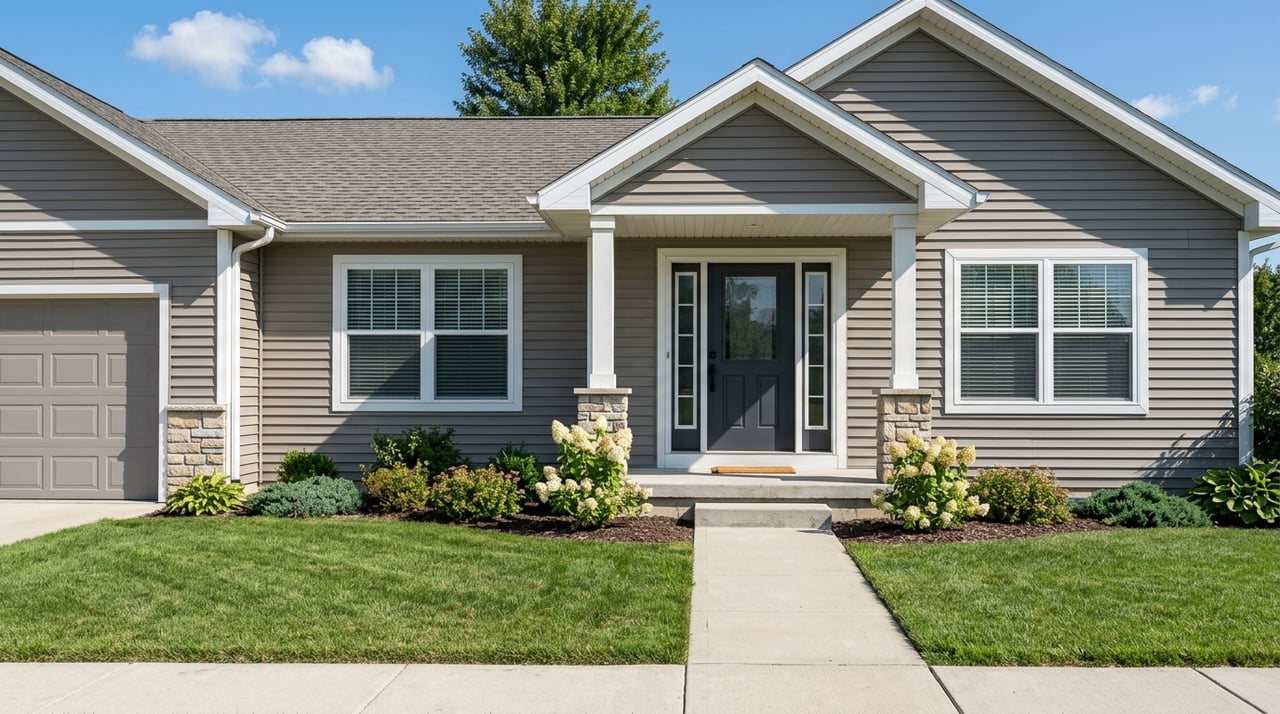
Eagan has nearly 30,000 housing units, and the city reports a 69.4% owner-occupied rate. According to City of Eagan housing data, the median owner-occupied value is $380,800, the median gross rent is $1,604, and the median household income is $107,486.
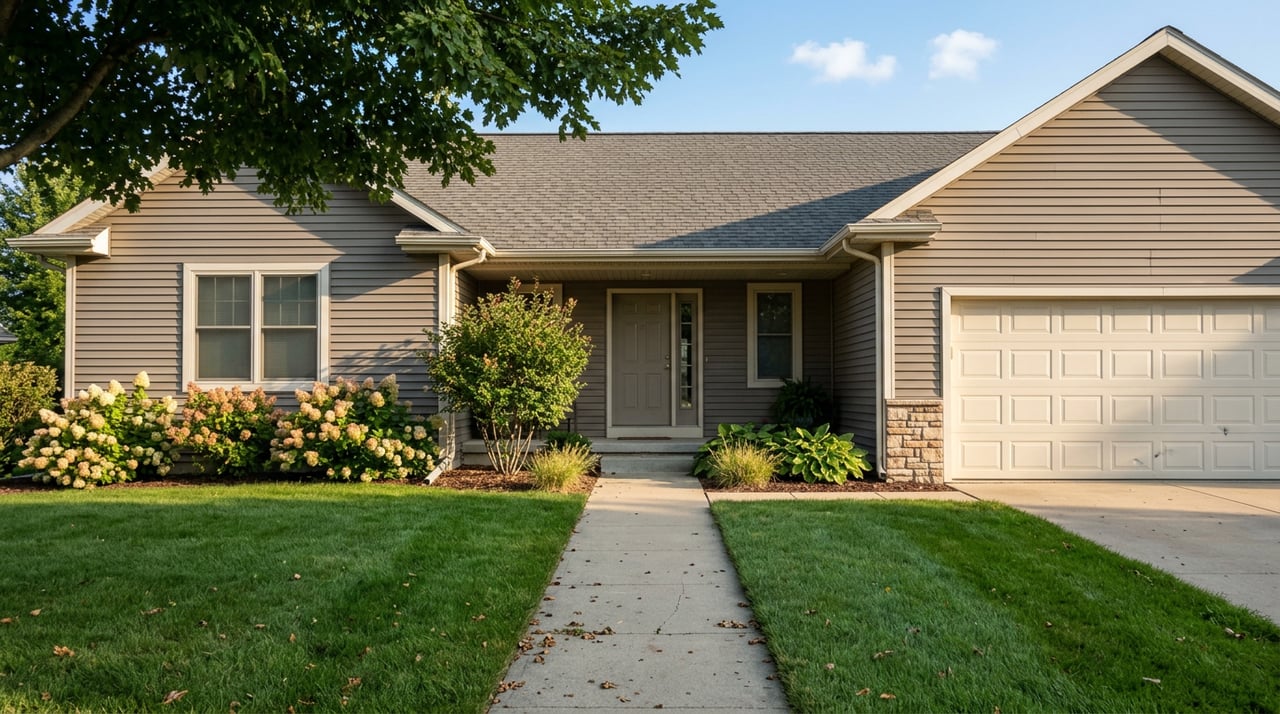
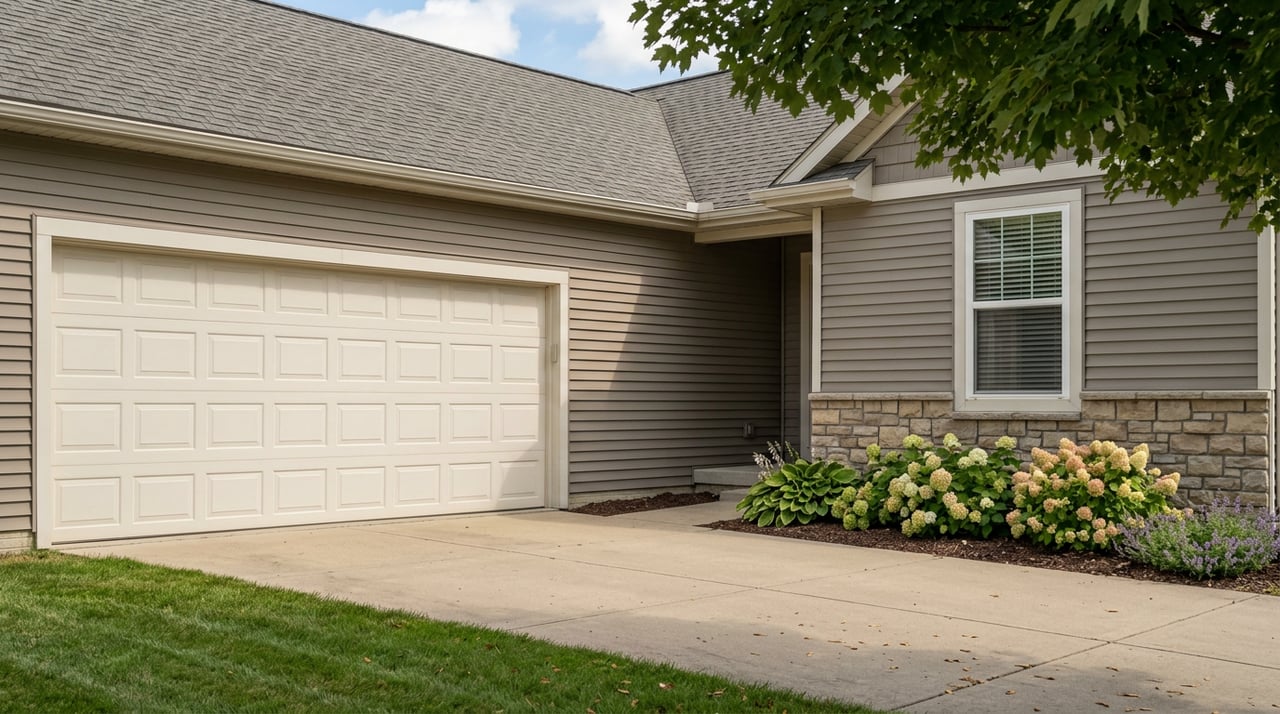
Land use data from the Met Council show that Eagan is still dominated by single-family detached housing, though multifamily and mixed-use options are also part of the picture. That means you can find a range of housing types, but the overall feel remains distinctly suburban.
Typical price bands vary by area
Recent market snapshots from multiple sources in the research report suggest that Eagan generally sits in the mid-$300,000s to low-$400,000s overall. That is a helpful starting point if you are trying to compare Eagan with other south-metro communities.
Within the city, transit-oriented and retail-focused areas like Cedar Grove and the city center side tend to read closer to the lower end, around $360,000 to $365,000. Middle-market areas such as Johnny Cake, Scott Highlands, and Alimagnet land more in the high-$300,000s to low-$400,000s, while higher-value pockets like Zoo and Cedar Knolls trend higher.
Home type often follows location
As a general pattern, core mixed-use areas are more likely to include condos, townhomes, and apartment-style living. In much of the rest of Eagan, detached single-family homes are more common.
That can be helpful if you are narrowing your search. If you want lower-maintenance living with access to retail and transit, central areas may be worth focusing on. If you want a more traditional suburban layout, much of the broader city aligns with that goal.
Who Eagan fits best
Eagan can appeal to a wide range of buyers and residents because it balances access, amenities, and housing variety. It may be a strong fit if you want:
- A suburb with multiple commute routes
- Access to express bus and local transit options
- Strong everyday retail and dining convenience
- Extensive parks, trails, and outdoor recreation
- A housing market with both attached and detached options
- A location connected to both Twin Cities downtowns and the airport
For sellers, these same features can also strengthen Eagan’s appeal in the market. Commute flexibility, shopping access, job proximity, and park amenities are all factors many buyers weigh carefully.
Final thoughts on living in Eagan
Eagan offers something many buyers and sellers are looking for: a suburb that feels practical, connected, and livable. You get strong regional access, a substantial local job base, major shopping and service hubs, and an impressive park system, all within a city that still feels residential at its core.
If you are thinking about buying or selling in Eagan, local guidance can help you connect the broad city picture to the right neighborhood, home type, and price range for your goals. When you are ready to explore the Eagan market, connect with Ryan Custodio for local insight and hands-on support.
FAQs
What is the typical commute time for living in Eagan, MN?
- According to City of Eagan data, the mean commute time is 21.7 minutes.
What transit options are available when living in Eagan, MN?
- Eagan offers MVTA express routes to downtown Minneapolis and St. Paul, local bus connections, park-and-ride access at Eagan Transit Station, and on-demand MVTA Connect service within the city.
What makes daily life convenient in Eagan, MN?
- Eagan has major shopping areas like Cedar Grove, Central Park Commons, and Promenade Shopping Center, plus a large local employment base and strong road access.
What outdoor amenities come with living in Eagan, MN?
- Eagan features dozens of parks, about 120 miles of trails, and access to Lebanon Hills Regional Park, one of Dakota County’s largest outdoor destinations.
What is the housing market like in Eagan, MN?
- Eagan’s housing market generally falls in the mid-$300,000s to low-$400,000s overall, with a mix of single-family homes, townhomes, condos, and apartments depending on the area.