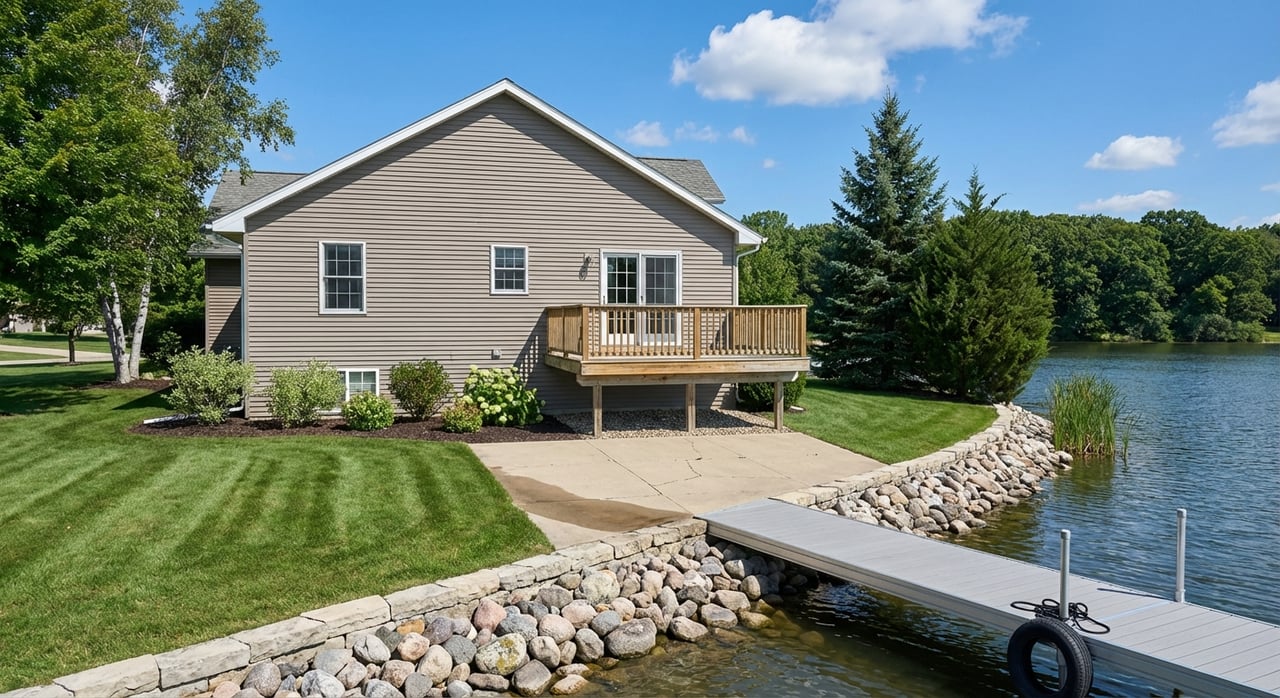
Picture your morning coffee on a quiet dock, birds overhead and a glassy lake at your feet. If you are dreaming about a waterfront home in Prior Lake, you are not alone. The market here is unique across bays and shorelines, with rules and details that matter for how you live and what you can build. This guide gives you plain‑English steps to shop smart, from lake differences and permits to septic checks, water quality, and inspections. Let’s dive in.
Know your lakes in Prior Lake
Prior Lake is a true lake community with roughly 15 lakes inside city limits. The largest, Upper and Lower Prior, total more than 1,340 acres combined, and Spring Lake is close behind at about 590 acres. Each lake, and even each bay, functions like its own micro‑market with different traffic patterns, depths, and shoreline profiles. Start by browsing the City of Prior Lake lake pages to understand public access points and general use.
Quick stats that affect use
Depth, size, and the ordinary high water level influence navigation, docks, and erosion risks. As a snapshot:
- Upper Prior is about 386 acres, roughly 10 feet average depth, and around 43 feet at its deepest.
- Lower Prior is about 956 acres with a maximum depth near 56 feet.
- Spring Lake is about 587 acres, with an average depth near 18 feet and a maximum around 34 feet.
You can confirm current figures and lake‑specific notes on the PLSLWD lake page for Upper Prior. Treat these numbers as starting points when you consider dock placement, wave exposure, and swimming conditions.
Public access and weekend patterns
Public launches, beaches, and park amenities shape traffic and sound, especially on warm weekends. On Prior Lake, the Dewitt Ave and Sand Point launches are well known, and Spring Lake has access off Vergus Ave. If you want a quieter setting, look closely at how close a lot is to a launch or popular fishing area. The city’s lake pages map key sites so you can scout activity before you buy.
Rules and permits you must know
Waterfront living comes with two layers of oversight, state and local. Minnesota DNR rules govern work below the ordinary high water level and many in‑water activities. Read the DNR guidance on work below the ordinary high water level to see when permits are required for docks, riprap, beach grading, stairways, or aquatic plant removal.
Locally, the Prior Lake–Spring Lake Watershed District (PLSLWD) and the City of Prior Lake coordinate permitting. Many projects run through the city yet must also meet watershed rules such as buffer requirements. Before you plan any shoreline changes, check the PLSLWD permitting program and rules to understand submittals and approvals.
Prior Lake and Spring Lake have permanent 150‑foot slow no‑wake zones along all shorelines, plus other water surface rules enforced by the Scott County Sheriff’s Office. Buoy markers for the 150‑foot zone require a sheriff’s permit. These limits affect where you can tow and how close higher‑speed boating occurs near your shoreline. When in doubt, call the Sheriff’s Office water patrol, and review the city’s lake rules.
Practical takeaways:
- Check DNR rules for any work in or below the OHWL, and do not remove aquatic plants without knowing the permit thresholds.
- Expect PLSLWD and city permits for many shoreline and stormwater projects, even if they seem small.
- If you want to mark a swim area or slow zone, ask the county sheriff about permits before installing any buoys or markers.
Sewer vs. septic: what to check
Some lakeshore homes in Prior Lake connect to city sewer, while others rely on on‑site septic systems. Service availability is address‑specific, so confirm with the City of Prior Lake sanitary sewer page or through your agent’s utility search.
Scott County regulates septic design, permitting, and compliance. The county does not require a septic compliance inspection for every property sale, but many lenders do, and it is common for buyers to order one. The Scott County septic systems program explains inspection triggers and repair timelines tied to groundwater susceptibility zones.
What to ask early:
- Is the home on municipal sewer or septic? If septic, ask for as‑built plans, pumping records, and any current compliance certificate.
- If the system is non‑compliant, what is the repair or replacement deadline based on groundwater susceptibility?
- If on city sewer, request proof of connection and ask about any private lateral responsibilities or easements.
Water quality, AIS, and seasons
Water clarity, plant growth, lake levels, and restoration projects change by season and by bay. The watershed district samples chemistry and clarity, tracks lake levels, surveys aquatic plants, and reports on alum and ferric chloride treatments. Review recent data on the PLSLWD lake monitoring program rather than relying on a single summer visit.
Zebra mussels are confirmed in Upper and Lower Prior, and invasive plants like curlyleaf pondweed and Eurasian watermilfoil are present in parts of the system. These species can affect swimming comfort and maintenance, and they create rules on moving docks and lifts between water bodies. Learn the basics on the Scott County zebra mussel information page, and follow clean, drain, dry practices, including the 21‑day drying period for docks and lifts moved between lakes.
Minnesota’s winters and spring ice‑out patterns also matter. Some small lakes are aerated in winter, and many owners remove and reinstall docks each season. Ask sellers what they do for winter storage, spring install timing, and who services the dock and lift.
Inspection checklist for waterfront buyers
Use this list with your inspection contingency and pre‑closing due diligence:
- Shoreline condition and armoring. Look for erosion, failing riprap or seawalls, lawn‑to‑water edges, or unpermitted fill. Ask for permits, as‑builts, and contractor warranties if work was done.
- Dock, lift, and buoy status. Confirm what stays with the property, the maintenance history, and whether any markers or buoys have valid permits. Ask vendors about AIS decontamination when equipment is moved.
- Septic system or city sewer. If septic, get inspection and pumping records and any Scott County compliance certificate. If sewer, verify the connection and understand who maintains the lateral.
- Flood risk and elevation. Pull your parcel on the FEMA Flood Map Service Center. If the lot is in a Special Flood Hazard Area, your lender may require flood insurance and elevation documentation.
- Vegetation and buffers. Natural buffers protect banks and reduce runoff. On steeper slopes or bluffs, clearing can trigger rules. Review the DNR shoreland and bluff standards and ask for any recent site plans or restoration records.
- Past high water or undercutting. Ask for seller disclosures and browse historic lake‑level charts on PLSLWD pages for context near the property. Note any new shoreline stabilization, dredging, or outlet work.
- Invasive species indicators. Check ladders, rocks, and beach areas for zebra mussel shells. Ask about any recent AIS treatments or HOA participation in prevention programs.
- Insurance and utilities. Request quotes for flood coverage if near mapped flood zones, and check the city’s sewer resources to know who to call for emergencies.
How lake traits affect value and daily life
Waterfront lots usually command a premium over near‑water locations because of views, private docks, and immediate access. That premium shifts by bay, shoreline width and slope, dock rights, and water clarity. Use the PLSLWD lake pages, including the PLSLWD lake page for Upper Prior, to compare conditions by bay and check for recent projects that may influence clarity or access.
Orientation and wave exposure shape how you use your shoreline. Open bays with a long wind fetch see more wave energy and may need larger or more robust dock setups, while protected coves are usually calmer for small boats and swimming. If a lot seems exposed, ask your inspector or a shoreline contractor for a wave and erosion assessment.
Public access and neighborhood context influence weekend activity and parking pressure. Lots near public launches or beaches may see more boat traffic. If an HOA controls docks or private beaches, review covenants for usage and maintenance rules. City code pages and recorded documents can answer questions about shared access or easements.
Quick buyer worksheet
Print or save this list to stay organized as you tour properties:
- Verify city sewer or septic status, and collect septic as‑builts and any Scott County compliance records.
- Confirm dock and lift ownership, service history, and any buoy or marker permits. Ask about AIS cleaning or drying before moving equipment.
- Review PLSLWD lake report cards and lake monitoring data for water quality and recent treatments across seasons.
- Pull a FEMA map for the parcel and price flood insurance if the lot is in or near a Special Flood Hazard Area.
- Inspect shoreline stability, vegetation buffers, and any prior shoreline permits or restoration work.
Ready to explore Prior Lake?
You deserve a smooth, informed path to the right waterfront home. Our team pairs hands‑on local guidance with modern search tools so you can compare bays, understand permits, and schedule the right inspections without stress. If you want a second set of eyes on a listing, or help mapping your due diligence, reach out to Ryan Custodio for a consult.
FAQs
What are the key differences between Upper and Lower Prior Lakes for buyers?
- Upper Prior is smaller and shallower on average, while Lower Prior is larger and deeper, which affects boating patterns, wave exposure, and potential dock needs.
Do you need a permit to install or change a dock or riprap on Prior Lake?
- Many in‑water or shoreline projects require permits; start with DNR guidance on work below the OHWL, then check city and PLSLWD permit requirements before planning.
How can you tell if a Prior Lake waterfront home is on city sewer or septic?
- Ask your agent to verify with the city’s utility resources and confirm with the seller’s records; if septic, request as‑builts, pumping logs, and any Scott County compliance certificate.
Are zebra mussels a problem on Prior Lake and what does that mean for owners?
- Zebra mussels are present on Upper and Lower Prior, which can affect swimming and equipment; owners should follow clean, drain, dry best practices and observe drying periods before moving docks or lifts.
Will you need flood insurance for a Prior Lake waterfront home?
- It depends on your parcel’s FEMA flood zone; if your home is in a Special Flood Hazard Area, your lender may require coverage and elevation documentation.
What are the no‑wake rules on Prior and Spring Lakes?
- There is a permanent 150‑foot slow no‑wake zone along all shorelines, plus local speed and towing rules enforced by the Scott County Sheriff’s Office; review city lake pages for current details.