Still deciding which side of County Road 42 should be home? Apple Valley and Burnsville sit side by side in Dakota County, yet the buyer experience can feel very different. You want the right mix of price, home type, commute, schools, and lifestyle without second-guessing your choice. In this guide, you’ll learn how these markets compare so you can focus on homes that truly fit your life and budget. Let’s dive in.
Quick market snapshot for buyers
Both cities are popular South Metro options, but they tend to serve different buyer priorities. Apple Valley usually commands a higher median sale price and a greater share of newer single-family homes. Burnsville often offers more affordability, with a wider mix of townhomes and condos alongside older single-family options.
Inventory and turnover also differ. Burnsville’s broader multifamily supply can translate to more active listings at certain price points. Apple Valley’s detached-home focus and newer subdivisions help explain its higher medians and, in many cases, larger lots. Always check recent MLS stats for exact numbers in your price band and neighborhood of interest.
Here’s a simple way to think about the differences you’ll see while shopping:
| Buyer Topic | Apple Valley | Burnsville |
|---|---|---|
| Typical price point | Generally higher median due to more detached and newer homes | Generally more entry-level options and broader price spread |
| Price per square foot | Often higher, reflecting newer build years and finishes | Often lower, influenced by older inventory and more condos/townhomes |
| Inventory profile | Heavier share of single-family in planned subdivisions | More varied mix with townhomes, condos, and apartment-to-condo resales |
| Market velocity | Competitive for well-priced single-family neighborhoods | Steady turnover across product types; more choices under mid-range |
| Home type mix | Predominantly detached, suburban subdivisions | Wider variety, including mixed-use areas and transit-oriented nodes |
Housing stock and HOAs
Home types and age
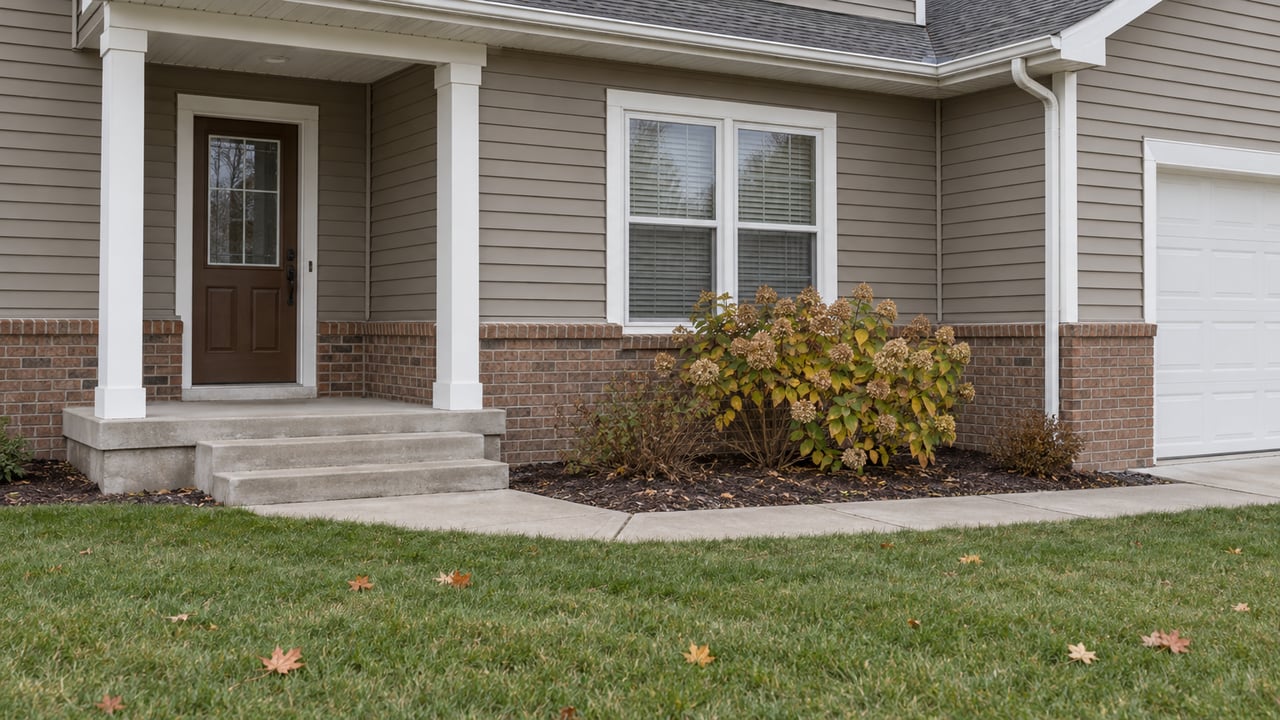
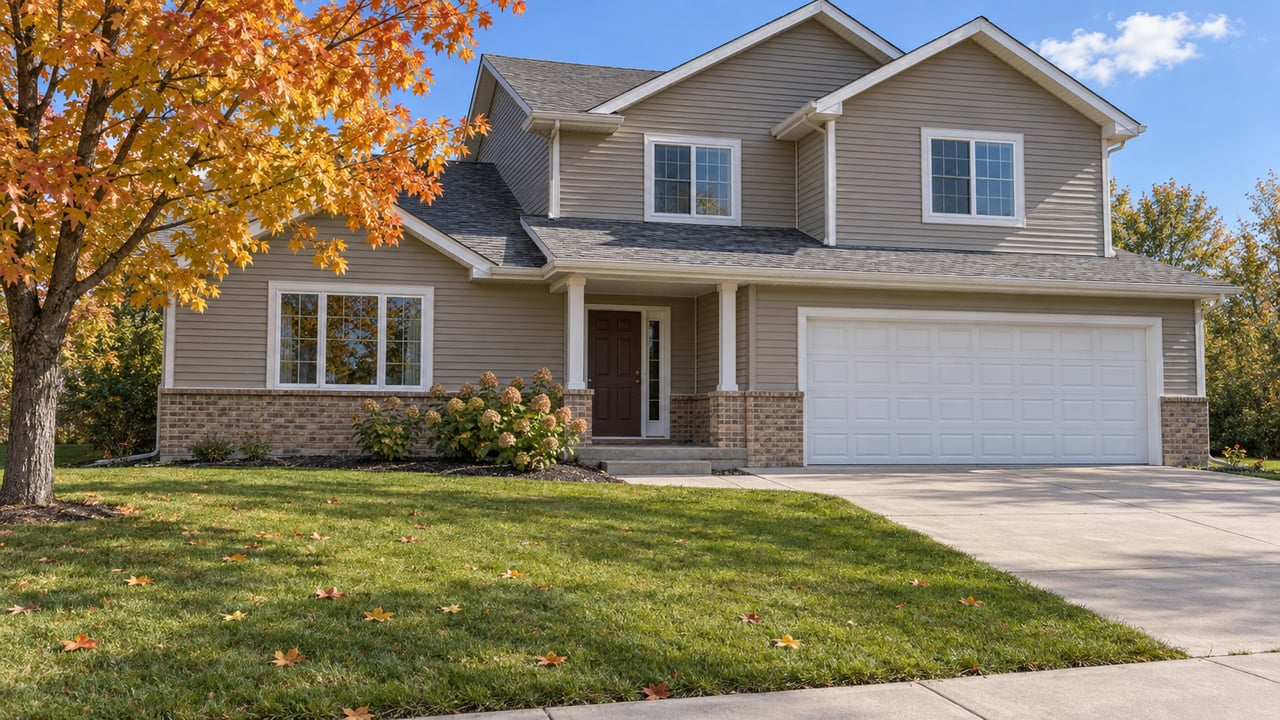
Apple Valley features many cul-de-sac subdivisions and infill neighborhoods with development waves from the 1980s through the 2000s, plus recent building on city edges. That later growth often means more modern floor plans and mechanical systems. Burnsville includes a larger share of mid-to-late 20th century homes together with a substantial townhome and condo presence.
Lots and maintenance
If a larger yard ranks high on your list, Apple Valley’s subdivisions often deliver. Burnsville spans a range, from modest-lot neighborhoods to some larger-lot pockets. With older homes in Burnsville, plan for potential system updates. Newer Apple Valley homes may carry higher up-front prices but can reduce near-term maintenance.
HOAs and what to check
HOAs are common in both cities for townhomes and condos, and in some newer subdivisions in Apple Valley. Review monthly fees, reserve funding, rules on exterior changes, and any special assessments. HOA coverage can simplify maintenance, but it also adds a recurring cost. Match the HOA’s services to your lifestyle and budget.
Schools and attendance boundaries
Apple Valley is primarily served by ISD 196 (Rosemount-Apple Valley-Eagan Public Schools), and Burnsville is primarily served by ISD 191 (Burnsville-Eagan-Savage). Each district offers a range of programs, and Apple Valley High School and Burnsville High School are the principal comprehensive high schools in their cities.
Attendance boundaries can vary street by street. If schools are a key factor for you, verify boundaries with the district and review district and school report cards from the Minnesota Department of Education. Consider programs like AP/IB, STEM, language immersion, arts, and career/technical options, along with class sizes and extracurriculars. Program availability and enrollment can change, so confirm details directly with the districts and schools.
Commute, transit, and access
Burnsville offers direct access to I-35W and has a strong transit hub at the Burnsville Transit Station. The METRO Orange Line bus rapid transit provides frequent service to Minneapolis and connects into the regional system. If you want to park-and-ride and skip downtown parking, this is a notable advantage.
Apple Valley connects to Cedar Avenue (CR 23/MN-77) with straightforward routes to major employment centers. Many neighborhoods offer a quieter, residential street pattern with quick access to County Road 42. Typical drive times vary by exact location and time of day, with many Burnsville origins near I-35W reducing peak-time variability and Apple Valley commutes ranging slightly longer, depending on your starting point.
Parks, retail, and overall feel
Outdoor recreation
If you love time outside, you’ll find great options in both cities. Apple Valley provides easy access to Lebanon Hills Regional Park, a major South Metro destination with lakes, trails, and year-round recreation. Burnsville features river bluff parks, access to the Minnesota River valley and refuge areas, and a strong network of neighborhood parks.
Retail and entertainment
Burnsville Center and the Heart of the City area serve as retail and entertainment anchors in Burnsville, with restaurants, events, and the performing arts center. Apple Valley spreads shopping across several corridors with local dining clusters and civic amenities. Residents in either city can reach major retail options along County Road 42 with a short drive.
Development to watch
Burnsville continues to pursue redevelopment around transit nodes and Heart of the City, which can bring more walkable, mixed-use living. Apple Valley adds suburban infill and new subdivisions on the edges as opportunities arise. Keep an eye on each city’s planning updates for evolving neighborhood dynamics.
Taxes, costs, and ownership trade-offs
Effective property tax rates vary by city, school district, and special levies. Two homes a few blocks apart can carry different tax bills if boundaries shift. For accurate comparisons, review current tax estimates for the exact properties you’re considering.
Cost also shows up beyond price. Older homes may require updates to roofs, windows, or mechanicals, which you should factor into your budget. Newer homes can bring higher purchase prices and, in some cases, HOA fees, but may reduce near-term maintenance. Parcels near wetlands or steeper slopes might have higher insurance or upkeep; always review city and county maps where relevant.
Which city fits your priorities
Choose Apple Valley if you want:
- A higher chance of newer construction and updated systems.
- Larger lots and a quieter suburban subdivision feel.
- Proximity to Lebanon Hills and extensive trail networks.
- A market that leans toward single-family homes.
Choose Burnsville if you want:
- More affordability and a broader mix of condos, townhomes, and single-family.
- Strong transit options, including the Orange Line and Burnsville Transit Station.
- Walkable mixed-use areas like Heart of the City and varied retail.
- More choices under common first-time buyer price points.
How to shop smart on either side of 42
Use a simple, step-by-step approach to get clarity fast:
- Set your must-haves vs. nice-to-haves. Rank home type, commute time, yard size, and HOA comfort.
- Compare recent MLS data for your price band. Focus on median sale price, price per square foot, days on market, and inventory by home type.
- Map commute routes and test them at rush hour. Include park-and-ride options if you prefer transit.
- Verify school boundaries for specific addresses. Review district report cards and confirm program availability with the schools.
- Review HOA documents early. Understand fees, reserves, rules, and upcoming projects.
- Walk potential neighborhoods at different times. Note traffic patterns, trail access, and retail convenience.
- Price the total cost of ownership. Include taxes, insurance, HOA fees, and likely maintenance or upgrades.
When you frame your decision around these concrete factors, the right fit becomes much clearer.
Ready to compare listings side by side and tour both markets? Reach out to Ryan Custodio for local guidance, on-demand data, and a tailored plan for your budget and timeline.
FAQs
What is the main difference between Apple Valley and Burnsville for buyers?
- Apple Valley typically has higher prices and a larger share of newer single-family homes, while Burnsville often offers more affordable options, especially townhomes and condos.
How do commutes to Minneapolis compare between the two cities?
- Burnsville offers direct access to I-35W and frequent transit via the METRO Orange Line, while Apple Valley connects through Cedar Avenue and local arterials, with drive times varying by neighborhood and time of day.
Are there many newer homes in Apple Valley vs Burnsville?
- Apple Valley saw later waves of development and more recent subdivisions, so you’ll often find newer systems and floor plans there; Burnsville’s housing stock skews older but includes varied options and redevelopment areas.
What should I know about schools when choosing between Apple Valley and Burnsville?
- Apple Valley is primarily in ISD 196 and Burnsville in ISD 191; verify boundaries for each property and review official district and Minnesota Department of Education report cards for current data.
Where will I find more condos and townhomes: Apple Valley or Burnsville?
- Burnsville typically has a broader share of condos and townhomes, which can open up more affordable and low-maintenance options for buyers.
How do HOA rules and fees affect my decision?
- HOAs are common for townhomes/condos and some newer subdivisions; review fees, reserves, and covenants early so you understand coverage, restrictions, and long-term costs.
What hidden costs should I plan for in either city?
- Consider property taxes, HOA dues, insurance, and potential maintenance or system upgrades on older homes; also review any site-specific factors like wetlands or slopes that can affect costs.